
Why the Yard Is the Last Major Bottleneck in Logistics Automation
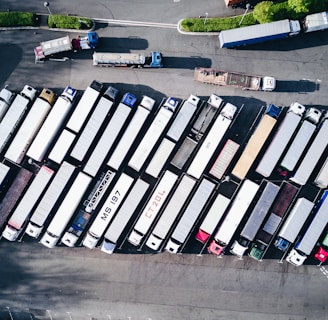
For the past decade, logistics automation has focused heavily on warehouses. Conveyors, AS/RS, AMRs, and WMS platforms have transformed indoor operations. Yet just outside the dock doors, the yard remains largely manual.
1/1/20261 min read

Why the Yard Is the Last Major Bottleneck in Logistics Automation
For the past decade, logistics automation has focused heavily on warehouses. Conveyors, AS/RS, AMRs, and WMS platforms have transformed indoor operations. Yet just outside the dock doors, the yard remains largely manual.
This gap isn’t accidental — it’s structural.
Warehouses Optimized. Yards Ignored.
Most logistics technology stops at the dock. Once a trailer enters the yard, movement depends on:
Yard jockey availability
Manual dispatch
Tribal knowledge
Radio calls and spreadsheets
Even the most advanced Yard Management Systems (YMS) can see congestion but cannot act on it.
The Cost of Inaction
When trailer movement stalls, the entire operation suffers:
Dock doors sit idle
Labor waits for trailers
Missed SLAs stack up
Safety risk increases
Every minute a trailer waits is lost throughput.
Why Yards Are Harder to Automate
Yards present challenges warehouses don’t:
Outdoor environments
Weather variability
Mixed traffic (trucks, people, forklifts)
Legacy layouts
Until recently, autonomy technology wasn’t reliable enough outdoors. That’s changing.
A Structural Opportunity
As labor shortages persist and safety, insurance, and emissions pressures rise, the yard is no longer optional to optimize.
The next major efficiency gains in logistics won’t come from faster picking — they’ll come from controlling trailer movement.
Tatanjax.com
© 2025 Cabra Dynamics LLC. All rights reserved
Michigan-Based Innovation